



Ingrown toenail: how to care for it and when to see a podiatrist
In short: an ingrown toenail (onychocryptosis) is a nail plate that grows into the lateral nail fold — most often on one side. At an early stage, focus on correct trimming, comfortable shoes and care: softening the nail before trimming and a fluid for the skin around the nail. When the toe is swollen, red and very painful, a specialist is needed.
What causes ingrown toenails
- Uncomfortable, narrow shoes worn all day.
- Rapid weight gain or excess weight — especially if you spend a lot of time on your feet.
- A poorly done pedicure. Nails should not be cut in a curve: rounded corners are exactly where ingrowing starts.
- Fungal changes of the nail. The plate thickens in the middle, and the thinner, sharp edges cut into the nail fold.
- An inherited nail shape that favours ingrowing.
- Mechanical toe injuries that changed the shape of the nail.
Symptoms are a swollen toe, red skin around the nail and severe pain with every step.
Care at an early stage
- Warm soak. When you only feel discomfort, soak your feet in a warm footbath, e.g. with sea salt. The optimal water temperature is 32–35°C.
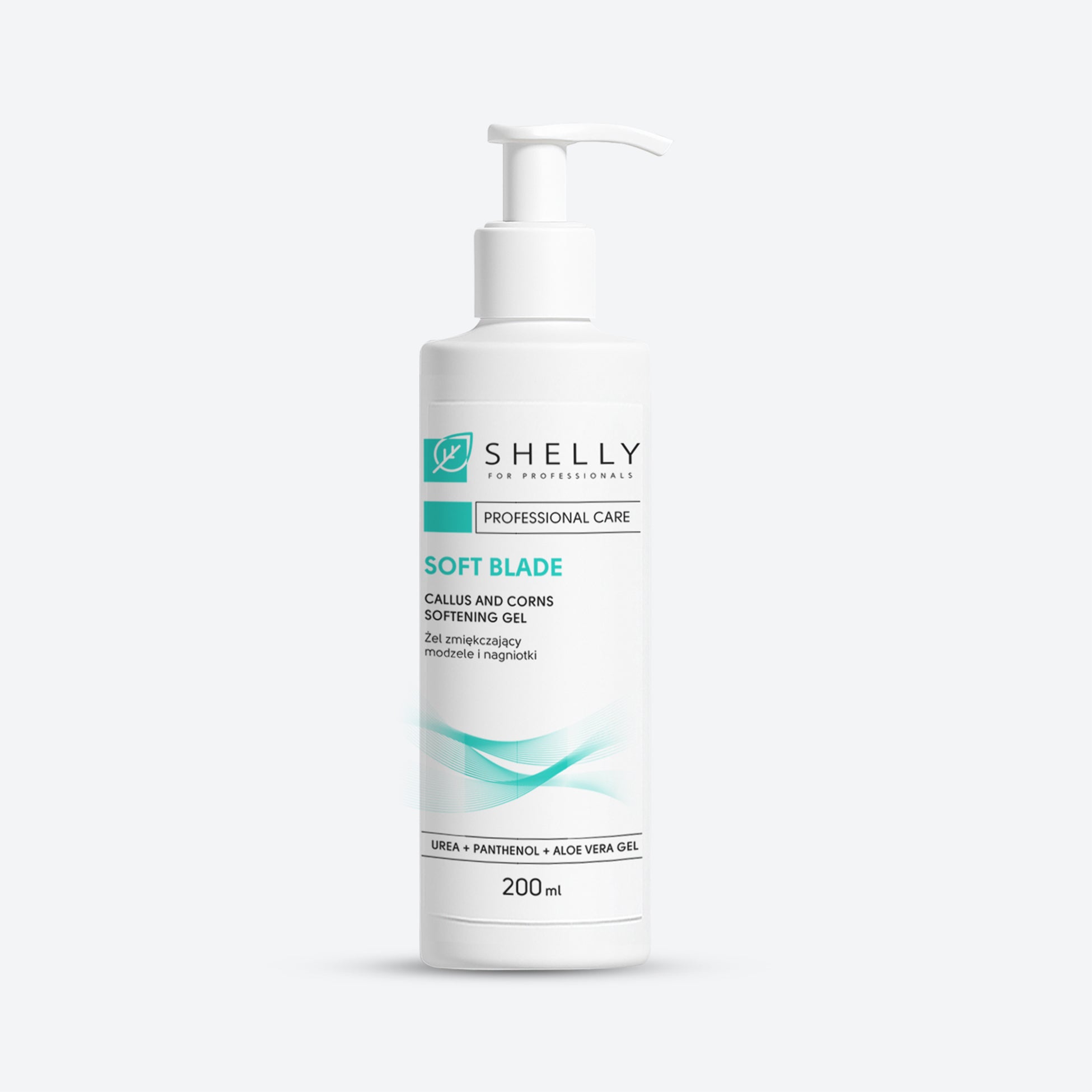
- Soften before trimming. Apply 1–2 drops of the Shelly ingrown toenail softener to the nail plate and nail folds. Wait until it is completely dry and trim the nail. Apply again if needed. The softener with urea and allantoin softens a thickened nail plate and skin, so trimming is easier and less painful.
- Trim without rounding. Cut the nail so that no rounded corners are left.
- Care for the skin around the nail. Massage 1–2 drops of the fluid with bisabolol and an oil complex (tea tree, eucalyptus, lavender, rosemary) into the skin around the nail. The fluid soothes irritated skin. With regular use, after 2–4 weeks the skin around the nail looks well cared for.
- Comfortable shoes that do not squeeze the toes.
The softener and the fluid are also available together in the ingrown nail care set.
When to see a specialist
Cosmetics can only support care, and only if you act at the first sign of discomfort. If the toe is swollen, red and very painful, see a podiatrist or a doctor. A specialist can use, for example, tamponade — a barrier between the nail and the soft part of the toe that makes the nail change its direction of growth — or laser cauterisation.
Precautions
- avoid contact with eyes and mucous membranes.
FAQ
How should I cut my toenails to stop them growing in?
Without rounding the corners — that is where ingrowing starts.
Will the softener remove an ingrown nail?
No. It softens a thickened nail plate and skin, so trimming is easier and less painful.
When will the skin around the nail look better?
With regular use of the fluid, it looks well cared for after 2–4 weeks.